New Indonesia-U.S. pact underlies multinational Super Garuda Shield
FORUM Staff
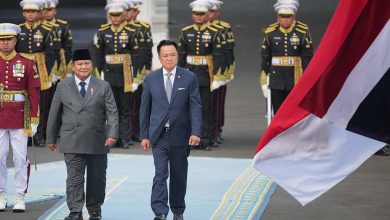
The 2026 iteration of Super Garuda Shield in August and September held special significance for its founding participants, Indonesia and the United States, which in April elevated their decades-long military relationship to a Major Defense Cooperation Partnership.
The pact calls for military modernization and troop training programs. The countries will develop advanced defense measures and next-generation technologies, and cooperate on maintenance, repair and overhaul to ensure readiness, according to a joint statement.
Super Garuda Shield enabled the nations to highlight their enhanced status and share capabilities in multinational field exercises and joint interactions. “The trust that is required to execute these operations cannot be built in a briefing room; it is built in the mud, in the surf, in the cockpits and in the operational command centers,” Maj. Gen. Patrick Ellis, commander of the U.S. Army’s 4th Infantry Division, said as the two-week exercise began.
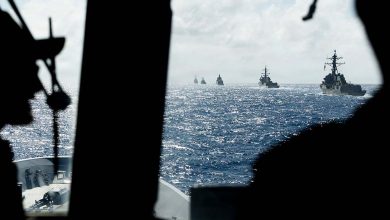
Held across the Indonesian archipelago, the annual drills featured 15 participating and six observer nations, deploying a total of about 5,000 uniformed personnel.
Garuda Shield began as Army-to-Army bilateral training in 2007 and rebranded as Super Garuda Shield in 2022 when it became multinational. It is Indonesia’s largest military exercise.

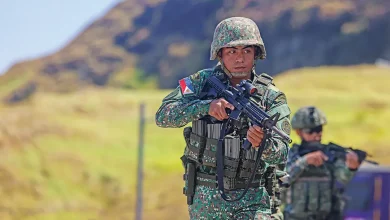
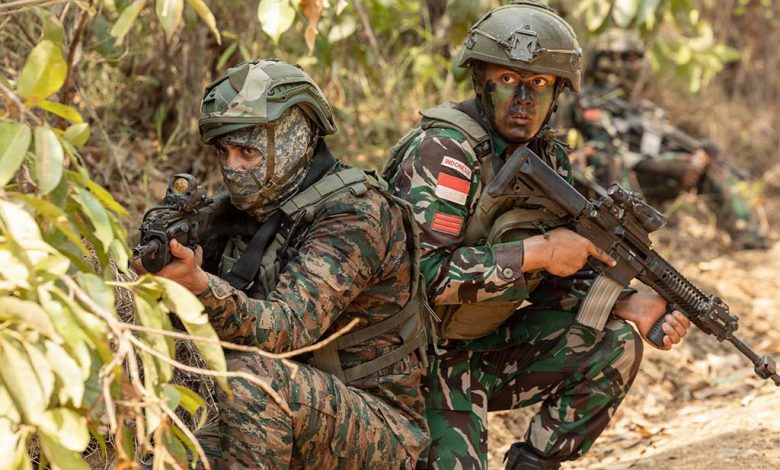
Along with staff exercises, training focused on cyber skills, airborne operations, jungle combat maneuvers, helicopter operations, and humanitarian assistance and disaster response (HADR). Live-fire exercises showcased the U.S.-developed Stinger missile and High Mobility Artillery Rocket System. Indonesian Navy Sailors trained with U.S. Navy and Coast Guard personnel, and Indonesian, U.S. and partner nation personnel enhanced school campuses in Baturaja and Martapura.
Participating or observing countries also included Australia, Brazil, Brunei, Cambodia, Canada, France, Germany, India, Italy, Japan, Laos, the Netherlands, New Zealand, the Republic of Korea, Singapore, Thailand, Timor-Leste, the United Kingdom and Vietnam.
— STORY CONTINUES BELOW —
Join the discussion
How does your nation benefit from multinational training with Allies and Partners?
“The exercise provides an opportunity for multinational forces to strengthen operational activity and share technical experience,” Col. Phy Piseth of the Royal Cambodian Armed Forces told FORUM. “Our focus is on military technical operations, and we expect the exercise to help strengthen our unit’s capabilities, improve operational effectiveness and prepare more tactical personnel to participate in future exercises.”
Drills tested troop readiness, strengthened defense diplomacy and enhanced crisis response.
HADR training was concluding in Bandung as the volcanic island Anak Krakatau erupted between Sumatra and Java in early September, spewing volcanic ash that temporarily closed airports in Jakarta and elsewhere, disrupting nearly 3,000 flights and complicating transport and military movements during the exercise.
FORUM correspondent Gusty Da Costa contributed to this report.