Pacific Dragon strengthens multinational missile defense
Sentry
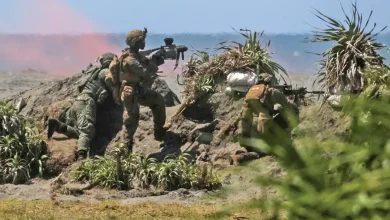
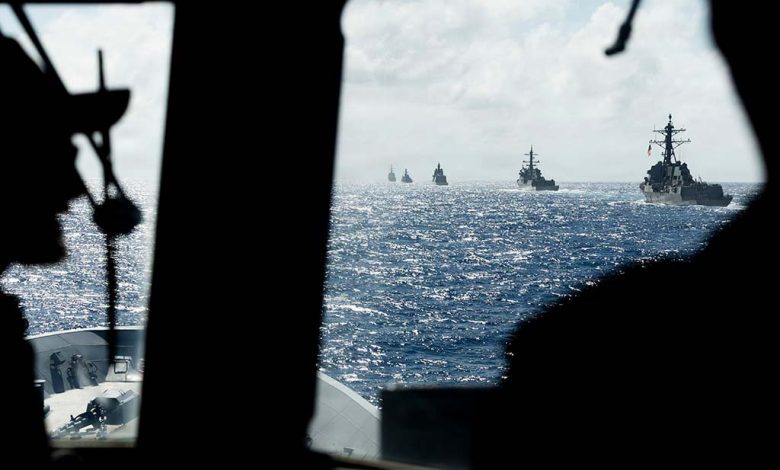
A multinational fleet operating near Hawaii tested the shared sensors, communications networks and procedures needed to detect and track missile threats across the Indo-Pacific. The August 2026 exercise demonstrated how allied interoperability strengthens regional deterrence.
Forces from nations including Australia, Japan, the Republic of Korea and the United States participated in Pacific Dragon, a biennial ballistic missile defense and tactical data-sharing exercise led by the U.S. Navy with support from the U.S. Missile Defense Agency.
The exercise combined ships, aircraft and uncrewed systems in integrated air and missile defense scenarios. Participants coordinated missile defense operations while refining procedures to be used in a crisis.
“Pacific Dragon 2026 demonstrates the strength of our alliance and partnerships and our shared commitment to advancing integrated air and missile defense capabilities across the region,” stated Vice Adm. Marc Miguez, commander of U.S. Navy 3rd Fleet. “Through this exercise our forces are strengthening interoperability, improving information sharing and refining the tactics and procedures necessary to operate together in support of regional security and a Free and Open Indo-Pacific.”
The exercise, which included Chile and Spain for the first time, improves cooperation during maritime air and missile defense missions by requiring forces to connect platforms and national systems through shared tactical data links.
Training at the Pacific Integrated Air and Missile Defense Center focused on interoperability. The combined force also conducted operations at sea, including integrating ballistic missile defense with broader air defense.
“The growth in the exercise has been amazing and it’s a great opportunity to build relationships,” stated Vice Adm. Justin Jones, the Australian Defence Force’s joint operations chief.
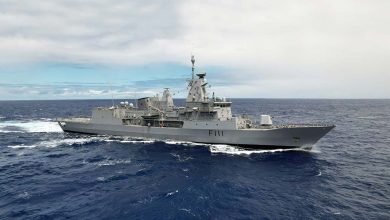
Personnel operated within a combined command structure, with officers directing aircraft, uncrewed systems, destroyers and frigates from across the multinational force.
The exercise showcased a central element of integrated missile defense: Shared tactical networks allow one participant to detect a target and distribute that information to other units positioned to track or respond. That carries strategic significance in the Indo-Pacific where vast distances and increasingly complex missile threats demand early warning, accurate tracking and rapid coordination.
Sentry is a professional military magazine published by U.S. Strategic Command to provide a forum for national security personnel.