Indonesia’s Navy, defense industry to develop, deploy uncrewed submersibles
FORUM Staff
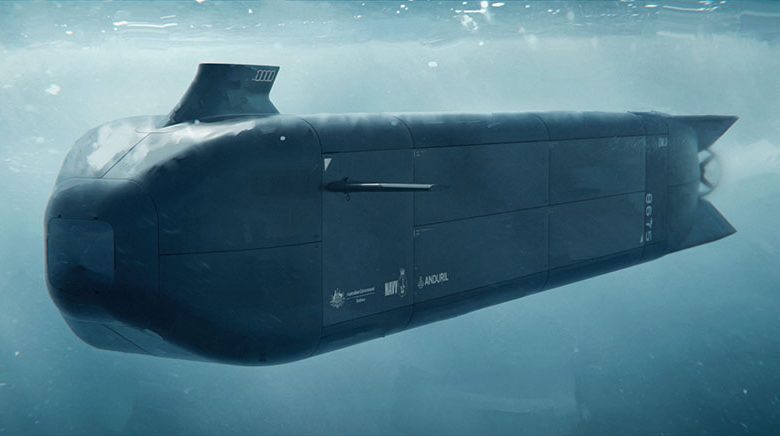
The Indonesian Navy will work with the nation’s defense industry to design uncrewed underwater vehicles (UUV) to overcome the vast archipelago’s maritime surveillance and security challenges.
Adm. Muhammad Ali, the Navy’s chief of staff, said UUVs can navigate Indonesia’s narrow, strategically critical straits and choke points, such as those connecting the Indian and Pacific oceans. They also can operate at widely varying depths.
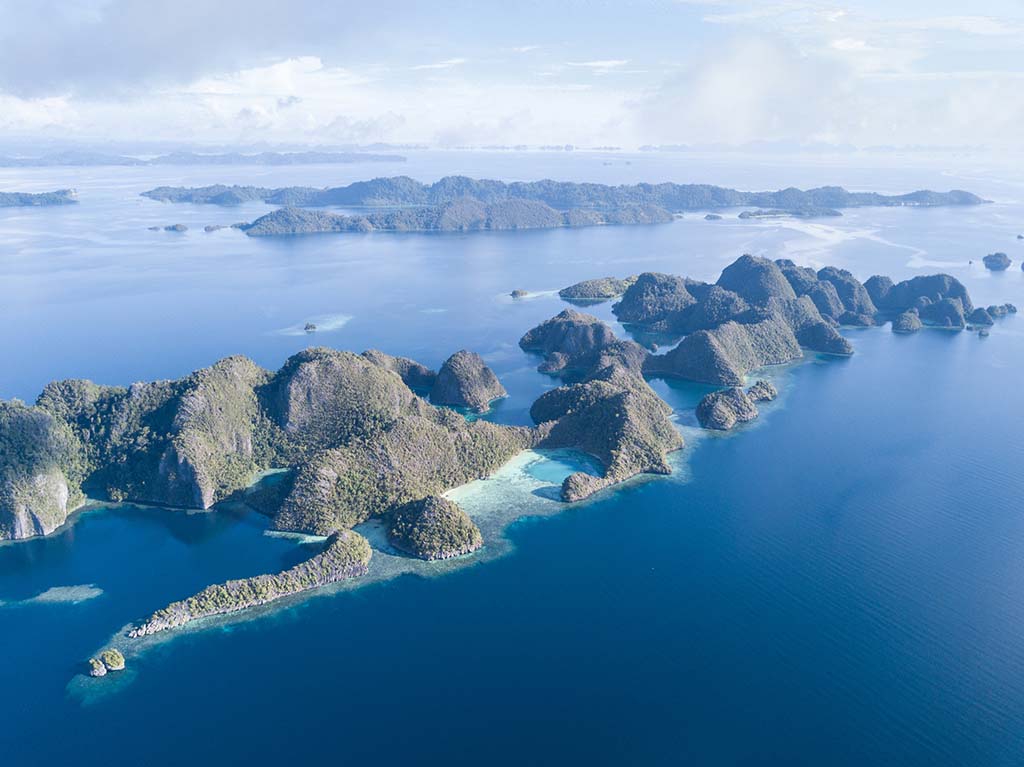
The drones’ cruising range will enable them to detect foreign ship movements and forecast illegal entry into Indonesian waters, Ali said in September 2026 when announcing the Navy-industry collaboration. They also can collect information to help map currents, tides, reefs and shipwrecks, among other undersea features.
“Underwater technology is advancing rapidly,” Ali said. “The Indonesian Navy continues to study ways to utilize underwater drones to support surveillance and reconnaissance operations in our maritime territory.”
Continuously updated oceanographic details are needed to maximize the effectiveness of submarines and surface ships, said Alman Helvas Ali, a defense analyst with Jakarta’s Marapi Consulting. Officials must understand undersea characteristics to manage maritime defense, he noted in a news release.
Indonesia’s plan aligns with initiatives by Allies and Partners to maximize the maritime defense technology. Australia, India, Japan, South Korea and the United States are among Indo-Pacific nations collaborating with defense industries to develop UUVs.
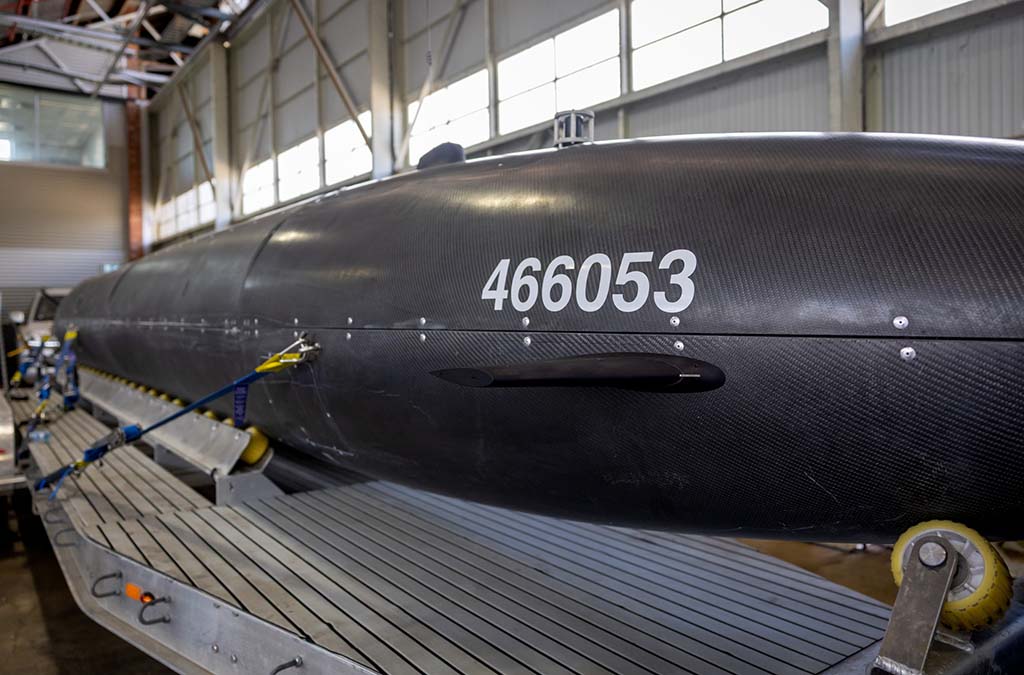
“Unmanned vessels represent the defining frontier of the future naval market worldwide,” said Joo Won-ho, president of South Korea’s HD Hyundai Heavy Industries, the Korea JoongAng Daily newspaper reported in April 2026.
The global UUV market is predicted to increase by almost 500% by 2035, according to Market Research Future, a New York-based business consulting firm. The maritime drones typically cost less than conventional crewed vessels and expose operators to less risk.
The Indian Navy is developing UUVs ranging from the small autonomous Neerakshi for mine detection, anti-submarine warfare training, underwater inspection, search and rescue, and scientific exploration, to extra-large vessels able to strike enemy ships and submarines, conduct surveillance, and lay and destroy mines.
— STORY CONTINUES BELOW —
Join the discussion
How does your nation work with domestic industries to enhance maritime deterrence?
HD Hyundai and the U.S. defense firm Anduril are jointly developing UUV systems, the Korea JoongAng Daily reported.
The Japan Maritime Self-Defense Force has developed UUVs for monitoring and security that can be launched and recovered by submarines, The Defense Post, a U.S.-based publication, reported in January 2026.
The Royal Australian Navy is developing and deploying maritime autonomous systems with multiple capabilities, including the Ghost Shark, an extra-large UUV capable of extended missions, and the Speartooth, a large UUV.
Under the trilateral AUKUS security partnership, Australia also is working with the United Kingdom and the U.S. to develop interchangeable payloads and enabling systems for UUVs. The technology allows uncrewed assets to conduct strikes, protect seabed infrastructure such as communication cables, and gather surveillance, reconnaissance and logistics data, the partnership announced in mid-2026.