Indonesia, Malaysia, Singapore deepen integrated defense of vital maritime choke points
Sarah Chan
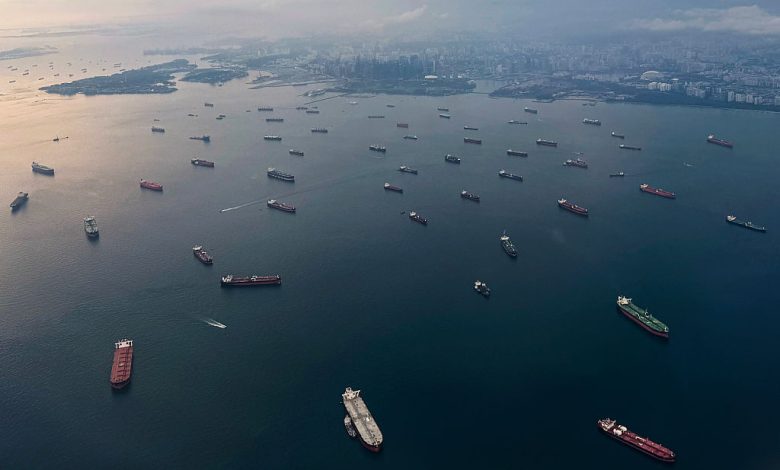
Southeast Asian partners are moving beyond routine maritime patrols to an integrated defense of the Malacca and Singapore straits, critical conduits for global trade. Indonesia, Malaysia and Singapore are expanding coast guard coordination, intelligence sharing and surveillance technology cooperation to counter piracy, illicit shipping and terrorism along the maritime choke points.
At the 17th Co-operation Forum in Singapore in August 2026, the three littoral states reaffirmed that keeping the passages open, safe and toll free is a shared priority, and that the straits are international navigation waterways, where the right of transit applies under the United Nations Convention on the Law of the Sea.
The adjacent straits connect the Indian and Pacific oceans via the South China Sea. More than 100,000 vessels transit the straits each year, carrying about 25% of global seaborne trade and about 33% of the world’s oil and gas supplies.
“Security in the [straits] has been a critical concern for the constituent littoral states, and that cooperation is critical in maintaining the flow of shipping and freedom of navigation in these highly populated waters,” Thomas Lim, an associate research fellow at Singapore’s S. Rajaratnam School of International Studies, told FORUM.
Alongside the integration of emerging technologies, recently announced improvements to coordination for ships in distress shows the trilateral mechanism evolving amid cybersecurity risks and piracy threats.
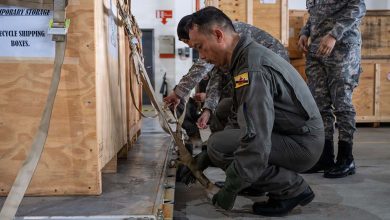
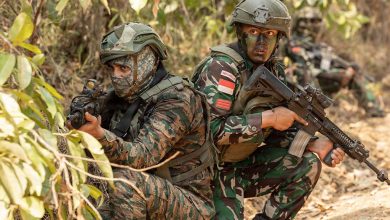
Singapore’s Police Coast Guard, Indonesia’s Maritime Security Agency and the Malaysian Maritime Enforcement Agency are conducting joint training and coordinated drills, including a three-day maritime security exercise around Indonesia’s Riau Islands. Naval and maritime leaders are prioritizing real-time intelligence sharing to monitor Malacca Strait threats, including dark fleets engaged in illicit trade and unauthorized underwater surveillance.
The annual forum drew about 300 participants from more than 125 nations and organizations “to strengthen cooperation on navigational safety and environmental protection.” Singaporean Transport Minister Jeffrey Siow told delegates that “recent events had reminded the world that open sea lanes cannot be taken for granted, and that safe and open waterways are global commons that must be upheld through international law and mutual collaboration.”
Littoral states and their partners “have turned shared interests into collective action, underpinned by an enduring trust,” he stated.
Lim cited piracy, sea robbery and illegal fishing, which affects livelihoods across Southeast Asia, as the region’s most pressing maritime challenges.
— STORY CONTINUES BELOW —
Join the discussion
How is your nation working with Indo-Pacific Allies and Partners to ensure freedom of navigation?
Indonesia, Malaysia and Singapore are deploying artificial intelligence-enabled maritime awareness tools and virtual navigational aids to prevent collisions and track complex threats, Lim noted.
“The ability to always have ‘eyes out at sea’ and to preempt the threat before it enters waters of critical concern generates a longer window … for the littoral states to design their response,” he said.
While trilateral integration advances, all vessels, aircraft and personnel deployed on coordinated patrols remain under their respective national command. The combination of shared information and national authority allows each state to design a tailored response when a threat is identified, Lim said.
Jurisdictional clarity underpins the arrangement. “Having a clear framework and line where the responsibility shifts is critical so that incidents can be attributed or handed off to the right authorities, and cooperation has existed between these states because the rules are clear and abided by,” Lim said.
Sarah Chan is a FORUM contributor reporting from Singapore.