Asymmetric Edge
Japan’s Defense Strategy Transforms Security Posture, Embraces Special Operations Forces
Dr. Katsuya Tsukamoto, National Institute for Defense Studies
December 2022, the Japanese Ministry of Defense released the first National Defense Strategy (NDS) replacing the National Defense Program Guidelines (NDPG), which had been formulated six times since 1976. The purpose of this strategy is to align with the United States National Defense Strategy and, more importantly, to clearly articulate the means to ensure Japan’s security.
The NDS emphasizes strengthening Japan’s defense capabilities by doubling the defense budget over five years. The government planned to spend $107.8 billion from fiscal year 2019 to fiscal year 2023 on services and equipment, but the NDS and the Defense Build-up Program pledge to allocate $272.8 billion by 2027. This marks the largest increase in the defense budget and the most significant shift in the nation’s defense posture since the Defense Ministry and the Japan Self-Defense Forces (JSDF) were established in 1954.

Changing Security Environment
This transformation is driven by the changing security environment. The NDS focuses on three concerns. First is the challenge posed by China. The strategy asserts that Beijing’s activities have become a pressing matter and present an “unprecedented and significant challenge.” The NDPG released in 2018 noted that China’s military and other developments “represent a serious security concern for the region, including Japan, and for the international community.” This shows how Japan’s threat assessment has changed in just four years.
Second is the threat from North Korea, which increasingly has launched cruise and ballistic missiles in the past three years. Given Pyongyang’s long-standing nuclear ambitions, the NDS upgraded its threat assessment of North Korea by designating it as an “even more grave and imminent threat” to Japan’s national security.
Third, the NDS elevates the threat assessment regarding Russia. The 2018 NDPG did not provide a specific assessment for Russia; however, influenced by the war in Ukraine, the NDS states that Russia’s military activities in the Indo-Pacific are of significant concern. Additionally, given the close cooperation among China, North Korea and Russia in the context of the war in Ukraine, Japan is paying close attention to possible strategic coordination among the three countries.
The NDS stipulates that unilateral changes to the status quo by force pose significant challenges to the free and open international order. It also conveys urgency, stating that the international community is facing its greatest post-World War II trial and is entering an era of crisis. This heightened sense of concern is broadly shared by the Japanese people.

Capabilities and Coordination
Against this backdrop, the NDS identifies three objectives to maintain Japan’s security:
- Shaping a security environment that does not tolerate unilateral changes to the status quo by force.
- Deterring such unilateral changes through cooperation with the U.S. and like-minded Allies and Partners.
- Responding to an invasion in a tailored and seamless manner if deterrence fails.
To achieve these goals, the NDS articulates three approaches. The first is Japan’s defense proficiencies. Without such capabilities, Japan cannot enhance deterrence or defend itself if deterrence fails. However, Japan’s defense capability alone cannot deter a formidable China. Therefore, the strategy aims to leverage “comprehensive national strength” by emphasizing a whole-of-government approach. For example, in addressing gray zone scenarios and hybrid warfare, close-knit interagency coordination among the police, the Coast Guard and other relevant agencies is necessary.
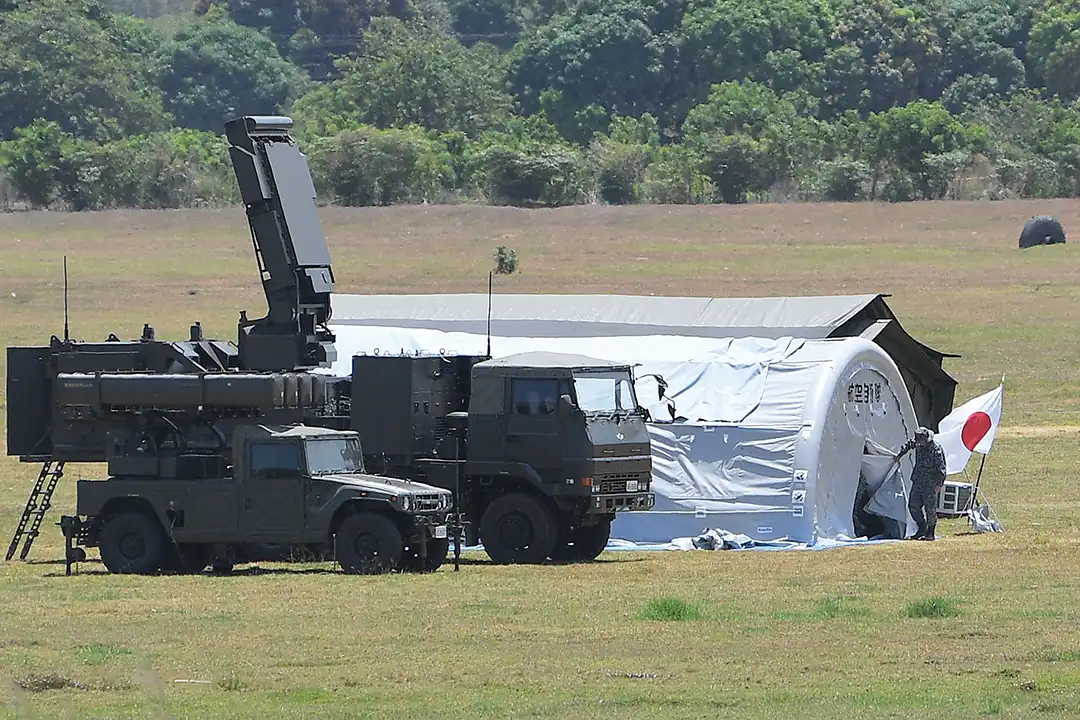
The second approach is enhanced coordination with the U.S. The centrality of the Japan-U.S. alliance remains unchanged from the 2018 NDPG; however, the aggregated power of the two allies needs to be further enhanced in light of China’s increased military capability. To this end, orchestration regarding bilateral operations, postures and force structures is indispensable to better address the challenges posed by China.
Third, the strategy acknowledges that “no country can now protect its own security alone.” To achieve a favorable balance of power in the region, Japan needs to expand its network of defense cooperation, working alongside the U.S.
The key to these approaches is Japan’s enhanced defense capability. The NDS lays out the basic tenets of Japan’s new defense posture, affirming that Japan should take primary responsibility for disrupting and defeating any invasion against its territory. By becoming more self-reliant, Japan can allow the U.S. and its partners to focus their resources and attention on other regional contingencies, including Taiwan, the self-governed island that China claims and threatens to annex by force. Enhanced defense capabilities can change adversaries’ risk calculations, thereby enhancing deterrence. Tokyo also recognizes the importance of closely working with the U.S. to achieve a more potent deterrent effect in the region. Japan’s enhanced defense capabilities will serve as the foundation for bilateral and multilateral cooperation.
The NDS identifies seven capabilities and functions to fundamentally enhance defense: Standoff defense capabilities; integrated air and missile defense capability, including counterstrike capabilities; uncrewed defense capabilities; cross-domain operation capabilities; command and control/intelligence-related functions; mobile deployment capabilities/civil protection; and sustainability and resilience.
In particular, the NDS emphasizes standoff defense capabilities centered on long-range cruise missiles, such as the U.S. Tomahawk. Most of the standoff missiles the JSDF plans to acquire will be able to strike surface ships to disrupt invading forces. The JSDF will also strengthen integrated air and missile defense capabilities. Instead of relying solely on missile defense systems such as the Patriot PAC-3, the NDS articulates employing standoff defense capabilities that can serve as counterstrike options to disrupt adversaries’ missile attacks. The goal is not necessarily to strike hostile missile launchers directly, but rather to deter adversaries’ missile-related assets.
The 2022 NDS was transformative in terms of its fundamental enhancement of defense capability centered on the seven capabilities and functions, particularly the standoff defense capabilities.
Accelerated Strategic Review
Japan announced in 2025 that it would revise three key strategic documents — the National Security Strategy, the Defense Build-up Program and the NDS — by late 2026, one year ahead of schedule. In her inaugural policy speech, Prime Minister Sanae Takaichi announced Japan would allocate 2% of its gross domestic product to the defense budget for fiscal 2025, two years ahead of the original goal.
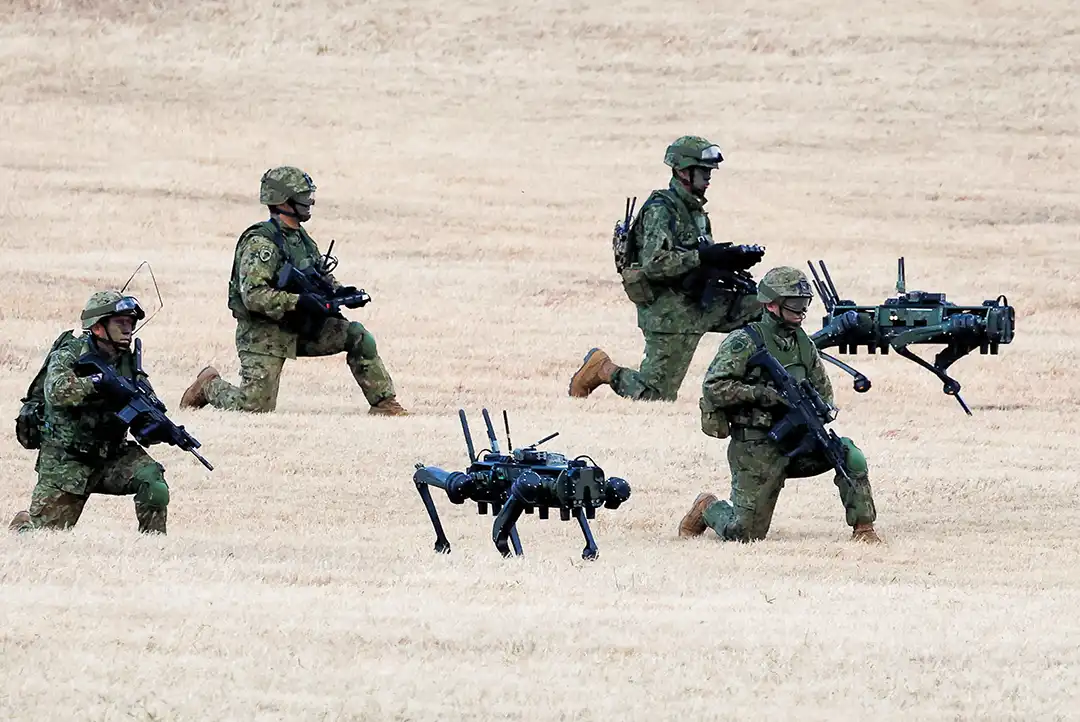
Following her decisive victory in the February 2026 general election, Takaichi emphasized the need to accelerate the revision based on the principle of“defending Japan by its own means.” The review will focus on adapting defense capabilities to reflect lessons from the protracted war in Ukraine, which began in February 2022, such as the mass deployment of uncrewed systems.
It also must consider the increased possibility of strategic collaboration among China, North Korea and Russia, particularly given the economic and military assistance that Beijing and Pyongyang have provided Moscow during the conflict.
Special Operations Forces
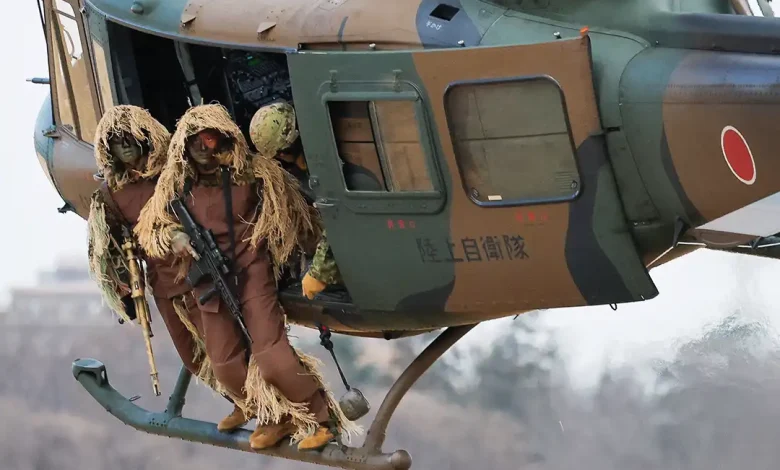
Emerging capabilities such as drones and AI are expected to play a critical role under the special operations forces (SOF) and can serve the strategic goal of preventing unilateral changes to the status quo by force. Such roles may include reconnaissance and targeting support for standoff defense capabilities, discreet intelligence collection and force protection on remote islands in the East China Sea, and preparation for unconventional warfare in contested environments.
In March 2027, Japan’s Defense Ministry is scheduled to upgrade the Special Operations Group into the Special Operations Brigade. The restructuring will integrate the Central Readiness Regiment, which previously supported the Special Operations Group. Officials have said the objective is to enhance flexibility and efficiency in addressing conflict scenarios and to strengthen the capacity to respond to simultaneous, complex contingencies. In particular, they emphasized the necessity of addressing asymmetric security threats, specifically from nonstate actors such as terrorist groups.
As stated in the 2022 NDS, cooperation with like-minded countries is crucial and a broad network of strong relationships is one of Japan’s strategic advantages. However, effective cooperation in real contingencies requires more than goodwill. Opportunities to deepen functional and substantive cooperation, including beyond the Indo-Pacific, should be pursued. In this context, Japan’s SOF will play a vital role, as it is well-suited to strengthen ties among SOFs in like-minded nations and potential partners to enhance the capacity to deal with gray zone conflicts, particularly through persistent engagement, joint training and intelligence sharing.
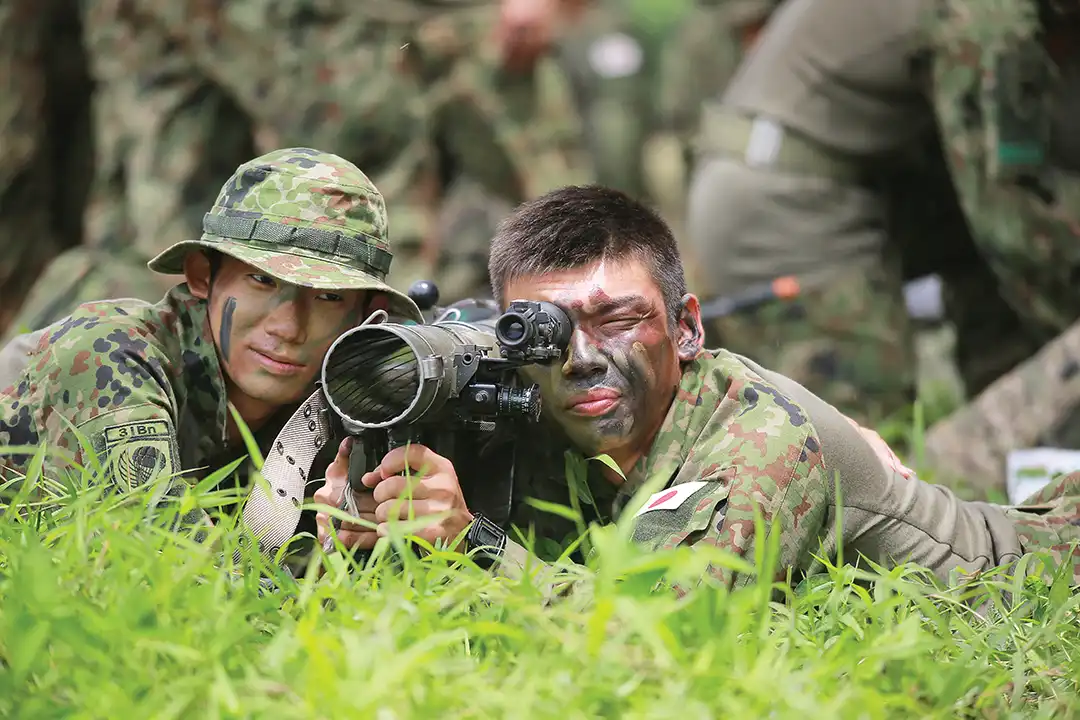
More importantly, SOF can impose asymmetrical costs on adversaries by leveraging advanced capabilities to operate in highly contested environments. Through enhanced interoperability and a partner network, the SOF increases capacity for integrated deterrence, complicating an adversary’s risk calculus and ensuring long-term regional stability. Such a networked approach transforms the SOF into a highly effective instrument of long-term strategic competition and serves to enhance integrated deterrence in the region.
Even with the fundamental and ongoing enhancement of the nation’s defense capabilities since the 2022 NDS, the reality remains that Japan must operate within a robust network of partnerships to address regional security challenges. As the NDS articulates, seamless cooperation with the U.S. and other Allies and Partners is essential. The SOF serves as a unique strategic asset to help strengthen these partnerships. By fostering deep military-to-military ties and enabling rapid, flexible responses, Japan’s SOF can create an environment that imposes long-term costs on adversaries. Consequently, the SOF is not merely a tactical tool, but also an indispensable strategic component for Japan to prevail.ο
The views expressed in this article are the author’s and do not necessarily represent those of the Japanese government or the National Institute for Defense Studies.