Palau harbor cleanup among Pacific Partnership 2026 achievements
FORUM Staff
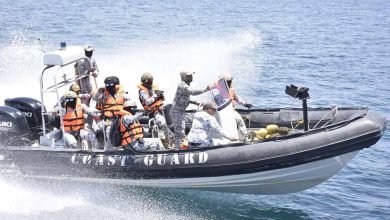
Defense personnel from nine nations have wrapped up the sweeping series of humanitarian and disaster response missions known as Pacific Partnership, merging their capabilities with those of host nations across the region to improve the lives of thousands.
Born in the wake of the devastating Indian Ocean earthquake and tsunami of 2004, the latest iteration of the United States Navy-led Pacific Partnership started in June in Vietnam and ended in September in the Philippines. More than 200 personnel visited seven nations, conducting medical exchanges, engineering projects, disaster preparedness and community outreach.
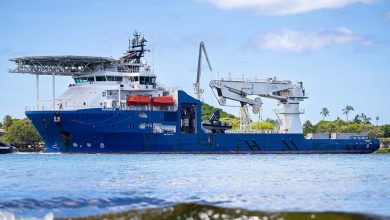
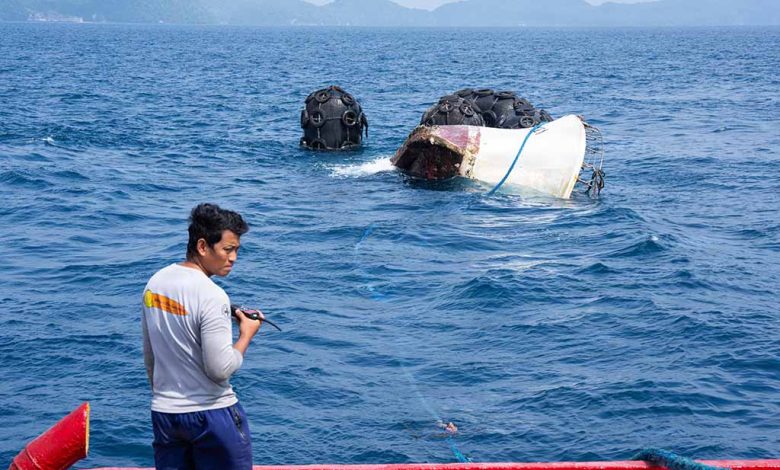
In Palau, Pacific Partnership supported the island nation’s main economic engine, tourism, by removing three derelict fishing vessels and siphoning off 1,500 gallons of oil and other pollutants that had marred the ocean for years.
The vessels broke loose and scattered across a harbor in Koro state during Typhoon Molave in October 2020.
Tourism has helped propel Palau to No. 2 in per capita gross domestic product among Pacific nations, according to the Lowy Institute, an Australia-based think tank. Visitors to Palau must sign a conservation pledge to help preserve what guidebooks call an archipelago of untouched beauty where crystal-clear waters meet dense jungles and traditional culture.
U.S. Navy divers and the 7th Fleet’s deployed salvage force began the monthlong removal project in late August, working with Palauan agencies including the Department of Conservation and Law Enforcement, the Ministry of Public Infrastructure and Industries, the Environmental Quality Protection Board, and the Koror government. Commercial tugs hauled the vessels out to sea for use as artificial reefs.
“We applaud the dedication of the United States Navy in being an active partner and working alongside us to protect and preserve Palau’s ocean and marine environment for generations to come,” said Jennifer Anson, Palau’s national security coordinator.
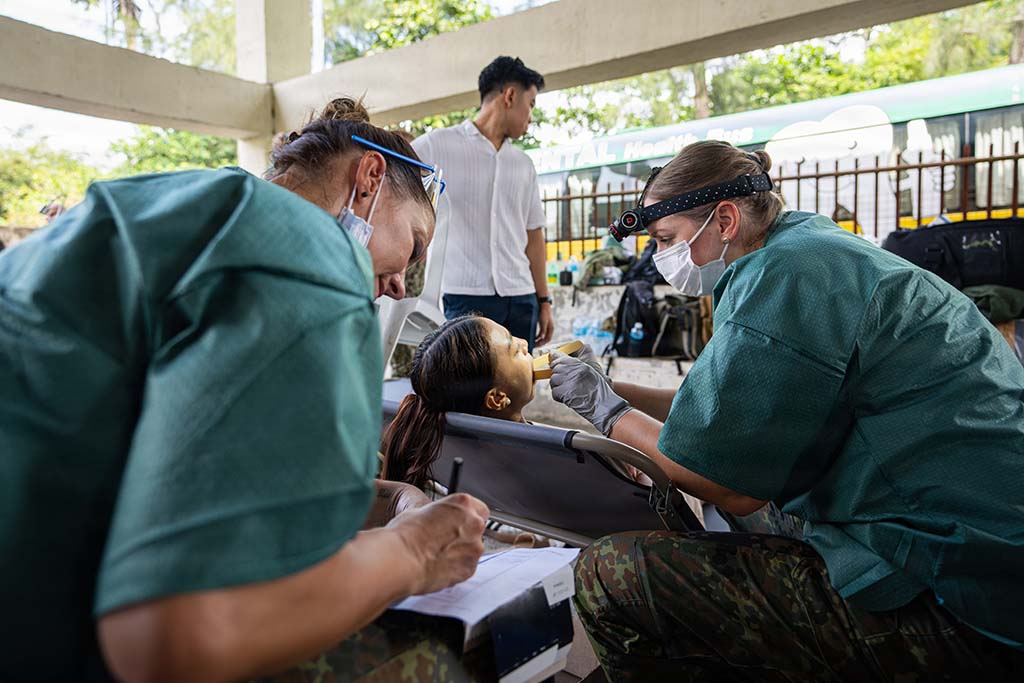
Pacific Partnership, which marked its 20th year in 2026, enhances interoperability and disaster response capabilities, increases security, and fosters friendships across the Indo-Pacific.
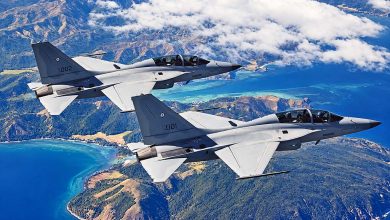
Pacific Partnership 2026 included personnel from Australia, Canada, Germany, Japan, New Zealand, the Republic of Korea, Singapore and the United Kingdom. Over the five-month mission, they worked with authorities and institutions in Fiji, Indonesia, Malaysia, Palau, the Philippines, Timor-Leste and Vietnam.
— STORY CONTINUES BELOW —
Join the discussion
How can your nation work with the U.S. and its Allies and Partners to support regional readiness?
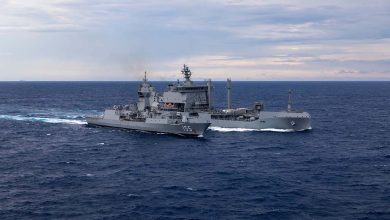
Among the operations were disaster management training in Dili, Timor-Leste, by the armed forces of Canada, Germany and New Zealand; medical screenings, procedures and training by Japan Self-Defense Forces officers in Tacloban City, Philippines; and staging personnel and equipment aboard a Royal Australian Navy amphibious ship.
Pacific Partnership 2026 enabled the Armed Forces of the Philippines (AFP) to strengthen capabilities in areas such as humanitarian assistance, disaster relief and regional cooperation, said AFP Maj. Gen. Peter Burgonio.
“These last two weeks, many nations have come together to learn from one another and support each other’s growth,” Burgonio said as the Philippines operation concluded in September. “That is partnership in action.”