Defense forces boost interoperability in ASEAN-led disaster response drills
1st Lt. Maddy Gonzalez and Sgt. 1st Class Timothy Hughes/U.S. Army
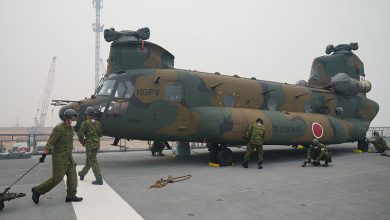
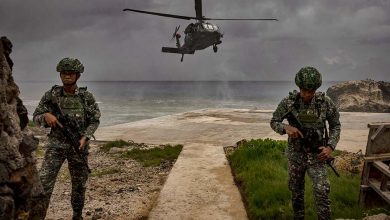
Defense personnel from 19 countries took part in the major disaster response drill Exercise Trident Resolve 2026 hosted by Indonesia in September. It was the first field training under the Association of Southeast Asian Nations (ASEAN) Defence Ministers’ Meeting-Plus (ADMM-Plus) framework to integrate cybersecurity, humanitarian assistance and disaster response (HADR), and military medicine.
About 2,200 participants responded to a simulated earthquake and tsunami in western Indonesia. Held at seven sites across Banten and at sea, drills tested coordination among defense forces and civilian agencies conducting search and rescue, medical evacuation and treatment, infrastructure repair, and response to hazardous materials emergencies. Cybersecurity personnel rehearsed protecting information systems from disruption during disaster response. Teams also conducted community health screenings.
Exercise Trident Resolve is a milestone in practical cooperation, said Lt. Gen. Rui F.G.P. Duarte, inspector general of Indonesia’s Defense Ministry. “Beyond its operational objectives, this exercise also strengthens trust and friendship amongst participating countries,” he said.
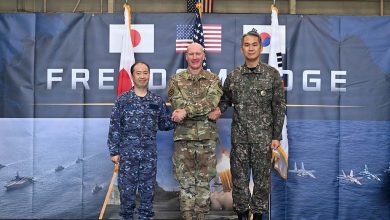
Participants included ASEAN’s 11 members — Brunei, Cambodia, Indonesia, Laos, Malaysia, Myanmar, the Philippines, Singapore, Thailand, Timor-Leste and Vietnam — and key ADMM-Plus dialogue partners including Australia, India, Japan, New Zealand, the Republic of Korea and the United States.
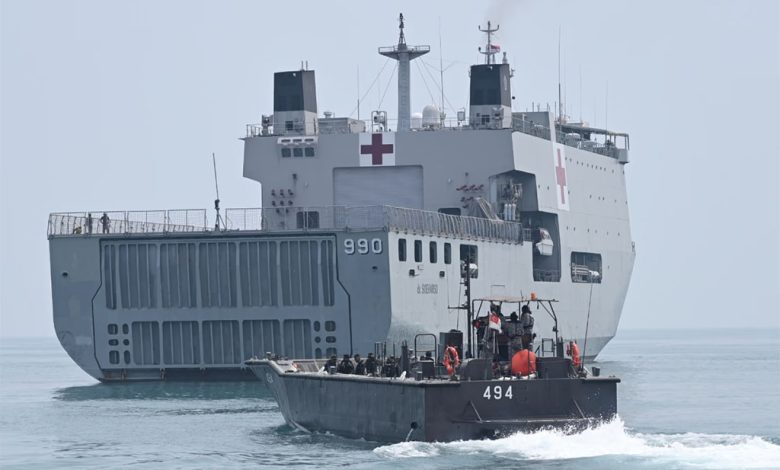
The Indonesian Navy hospital ship KRI Dr. Soeharso and the Republic of Singapore Navy landing ship tank RSS Endeavour supplemented the shore-based medical facilities treating simulated casualties, the Singapore Defence Ministry said.
Australia and Cambodia jointly organized the cybersecurity exercise, New Zealand and Singapore planned the HADR portion, and Indonesia and the U.S. organized the military medicine drills.
“Trident Resolve 2026 is a tremendous opportunity for us to advance vital health security cooperation and enhance joint interoperability,” said U.S. Army Maj. Gen. E. Darrin Cox, commanding general of the 18th Theater Medical Command and co-chair of the exercise’s military medicine group.
Australia’s participation reinforced the importance Canberra places on ASEAN’s role in Southeast Asia and the wider region, said Royal Australian Navy Vice Adm. Justin Jones, joint operations commander.
“In Australia and further abroad, humanitarian crisis including climate events have devastating impacts to communities and bring with them significant implications for the security and prosperity of our region,” Jones said. “Exercise Trident Resolve ensures Australia and our regional partners are better prepared to respond to crises and have the ability to seamlessly operate together in complex and contested environments, including those created by natural disasters and regional instability.”