Vietnam builds defense procurement self-reliance through diversified partnerships
Peter Parson
Vietnam is transforming its defense-industrial base, transitioning from a buyer of foreign platforms to a domestic producer of sophisticated warships and weaponry, while weaving together a diversified partnership network to build lasting self-reliance.
“Hanoi’s long-term aim is to build a modern, dual-use defense industry that serves as the cornerstone of military modernization and a central pillar of the nation’s broader industrial ecosystem,” Australia-based defense analyst Nguyen The Phuong told FORUM.
By inviting private-sector participation in research, technology transfer and production, the country is positioning its defense base to leverage commercial breakthroughs in areas such as specialized steel and advanced materials, he said.
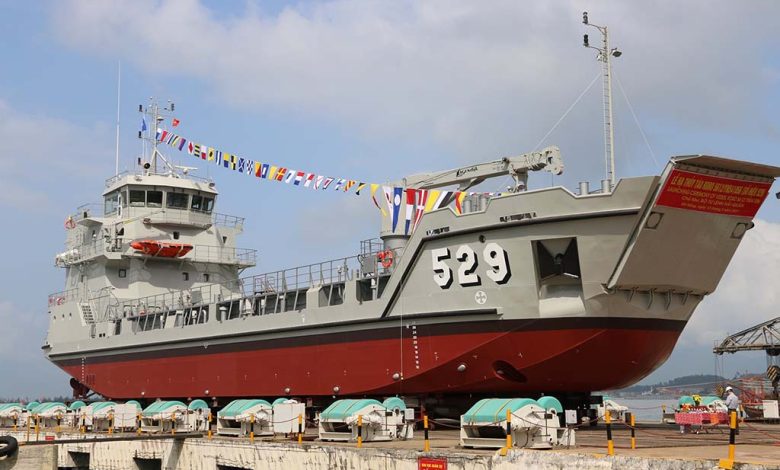
The approach is paying dividends. Technology transfer agreements have helped equip infantry divisions with domestically made small arms and gear, including STV assault rifles. Domestic shipyards are developing key subsystems for warships, while Viettel, the state-owned telecommunications and defense conglomerate, has advanced rapidly in autonomous systems, electronic warfare and phased-array radars. The company also is involved in developing the Truong Son coastal missile system and the upgraded S-125-VT air defense missile.
“Vietnam selectively purchases proven, mature systems in small initial batches,” Nguyen said, describing a “buy small, test thoroughly” method that allows the Vietnam People’s Army to evaluate a platform’s performance and build in-house maintenance expertise before committing to wider adoption.
Partners are selected for specific expertise: India, for example, is supplying its BrahMos supersonic cruise missile, as well as engine overhauls and submarine sustainment.
Hanoi’s partnership with New Delhi, which also includes financing for patrol boats, offshore vessels and submarine upgrades, is an anchor, strengthening Vietnam’s coastal denial capabilities. South Korea, meanwhile, is supplying Vietnam with K9 Thunder self-propelled howitzers.
— STORY CONTINUES BELOW —
Join the discussion
How does your nation collaborate with Allies and Partners to enhance regional security?
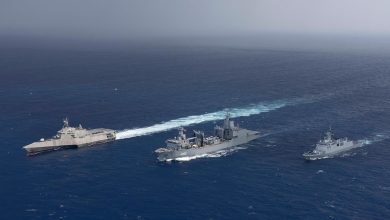
Hanoi also is expanding defense cooperation with Washington, including through the United States’ transfer of T-6C Texan II aircraft and Coast Guard cutters. European suppliers such as the Thales conglomerate have provided precision radar components for integration into Vietnamese-built platforms.
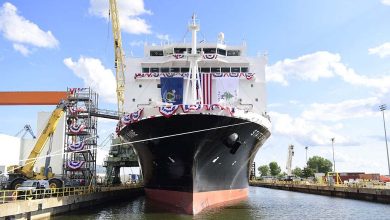
The result is a modular procurement model that gives Vietnam flexibility, with warships combining legacy hull designs with modern radar, electronic warfare suites and missiles, reducing dependence on any single supplier. The approach reached a milestone in August 2026 when Vietnam began building its largest anti-submarine frigate at Song Thu Corp.’s Da Nang shipyard, controlling engineering at each stage of construction.
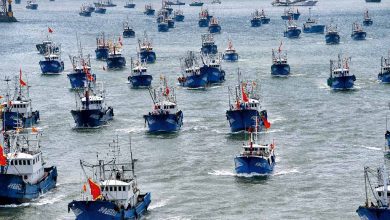
Nguyen said these advances serve Vietnam’s strategic posture in the contested waters of the South China Sea, where Hanoi’s priority is deterrence rather than power projection amid China’s aggressive maritime incursions. Domestic naval shipbuilding, land-based anti-ship missiles and emerging submarine capabilities together form a layered “small shield” designed to raise the cost of coercion.
The strategy enables Hanoi to modernize its defense capabilities while preserving the independence embodied in its “Four Nos” principle: no alliances, no alignment against other states, no foreign military bases and no use or threat of force.
Peter Parson is a FORUM contributor based in Hamilton, New Zealand.