New Zealand-hosted multinational exercise targets WMD proliferation
New Zealand Defence Force
About 150 experts from 30 countries demonstrated their commitment to preventing the proliferation of weapons of mass destruction (WMD) by state and nonstate actors during Exercise Maru in Auckland, New Zealand, in mid-November 2026.
The exercise is part of the Proliferation Security Initiative (PSI) to enhance cooperation on disrupting illicit transfers of WMD-related materials and technologies. The PSI has grown from 11 founding states into a flexible and voluntary counter-proliferation initiative endorsed by 116 states. The initiative is a key component of the global framework against WMD proliferation and contributes to upholding peace and security.
PSI exercises improve structures for sharing intelligence, aligning decision-making processes, building capacity, and deploying capabilities and assets for interdictions. Exercise Maru brought together regional and global counterproliferation experts from security, defense, foreign affairs, border and export control, and law enforcement. The exercise demonstrates that proliferators are being monitored and that PSI partners will take individual and collaborative action to prevent WMD proliferation.

Drills and discussions focused on emerging and increasingly sophisticated proliferation practices that seek to circumvent domestic and international law. The exercise also highlighted the importance of communication and cooperation among states to counter proliferation threats in the Indo-Pacific.
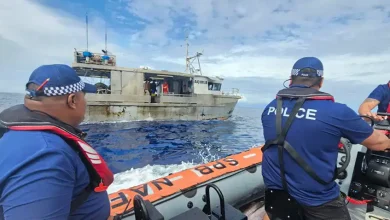
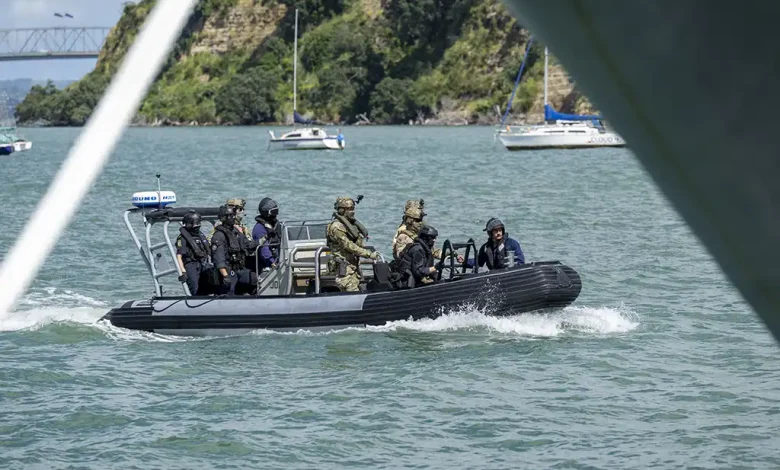
The Royal New Zealand Navy, supported by the Australian Defence Force, New Zealand Customs and the United States Coast Guard, conducted a live exercise in Waitematā Harbour, with personnel interdicting a vessel suspected of carrying illicit goods. New Zealand public and private agencies also rehearsed responses to such a vessel arriving in port.
Maru occurred against the backdrop of an increasingly precarious proliferation threat environment. Participants seek to make the Indo-Pacific a difficult place for WMD proliferators and transnational criminal networks. PSI partners noted the importance of United Nations Security Council resolutions, including those related to North Korea’s WMD programs.
Exercise Maru “tested how agencies share intelligence, make operational decisions and turn information into coordinated action, from identifying high-risk cargo through to maritime interception and examination at the border,” New Zealand Customs stated. Such exercises “help agencies clarify their roles, strengthen handovers and identify gaps across the border system before a real threat emerges. They also build the trusted relationships needed to respond collectively to threats that affect our region.”