Australia, Japan, U.S. boost defense cooperation with Philippines
FORUM Staff
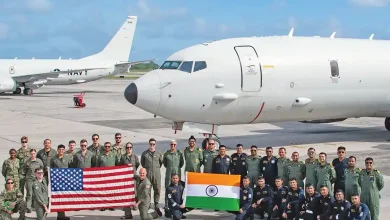
Australia, Japan, the Philippines and the United States are establishing a Philippines-based coordination hub and will synchronize defense investments to “support the Philippines in defending its archipelago.”
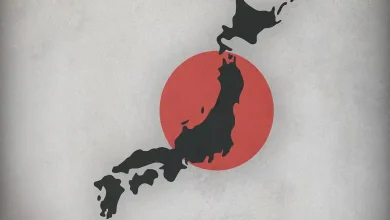
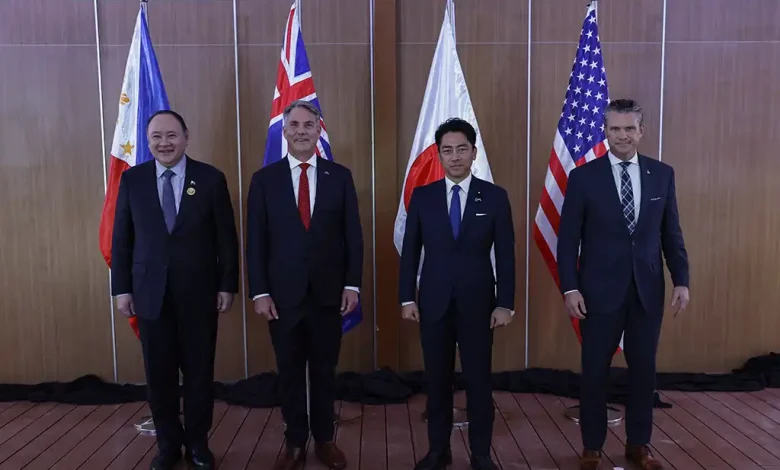
The November 2026 announcement came after Australian Defence Minister Richard Marles, Japanese Defense Minister Shinjiro Koizumi, Philippine Defense Secretary Gilberto Teodoro Jr. and U.S. Secretary of War Pete Hegseth met in late October at the Association of Southeast Asian Nations Defence Ministers’ Meeting-Plus in the Philippines. The security measures also will include broader consultations, exercises and other activities to “expand interoperability and enhance regional cooperation to ensure a stable and secure region,” the group stated.
The coordination center will build on the Defense Cooperation Council, a multilateral framework formalized in May 2026 to provide information sharing, maritime activities, coordinated communications, and interoperability in planning, logistics and sustainment, the U.S. Pacific Command said.
The efforts to boost the Philippines’ defense come amid China’s growing maritime assertiveness. The four defense chiefs reiterated concerns about the East China and South China seas and “reaffirmed their strong opposition to any unilateral actions, including by force or coercion, which escalate tensions and undermine regional peace and stability.”
Beijing has increased the frequency and intensity of its incursions into Manila’s exclusive economic zone (EEZ) in the South China Sea. A 2016 international tribunal’s ruling, in a case brought by the Philippines, found no legal basis supporting China’s contention of historic entitlements to the resource-rich waterway, a vital trade route. China ignores the ruling and continues harassing other nations’ government and civilian vessels operating lawfully in their respective EEZs. In the East China Sea, China Coast Guard vessels frequently operate in the contiguous zone around the Japan-controlled Senkakus, uninhabited islands and outcroppings that Beijing claims.
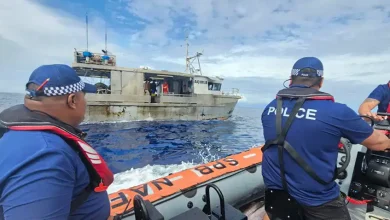
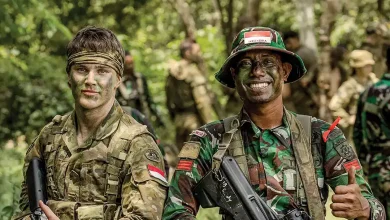
The Philippines is strengthening security cooperation with like-minded partners, including expanded military exercises such as Balikatan, which drew 17,000 troops from Australia, Canada, France, Japan, New Zealand and the U.S. to the Philippines in April and May 2026. Manila and its Allies and Partners also conduct joint maritime patrols and equipment transfers, including decommissioned U.S. Coast Guard cutters delivered to the Philippines and Japan’s plan to provide $27 million worth of radar and uncrewed aircraft systems to the Armed Forces of the Philippines through Tokyo’s Official Security Assistance program.
— STORY CONTINUES BELOW —
Join the discussion
How can your nation deter assertive behavior in the Indo-Pacific?
Days after the coordination center announcement, Australia and the Philippines signed a defense pact to further boost cooperation by streamlining joint drills and enhancing infrastructure development.
“These activities will contribute to making our region more safe, more secure and more prosperous,” Australian Prime Minister Anthony Albanese said. “Together with the Philippines and our regional partners we are strengthening maritime resilience and security that helps underpin a peaceful, stable and prosperous region.”
Teodoro said the pact will support implementation of the nations’ Status of Visiting Forces Agreement (SOVFA) and increase cooperation among air, land and maritime forces, including during humanitarian and disaster responses. He said it also bolsters the Philippines’ “credible deterrence posture,” including in the South China Sea, the Reuters news service reported.
SOVFAs enable visits by foreign troops for joint large-scale exercises and other missions. The Philippines signed its first SOVFA with longtime ally the U.S. in 1998 and also has accords with Canada, France and New Zealand, as well as a similar reciprocal access agreement with Japan.