Super Garuda Shield 2026 to be Indonesia’s biggest defense exercise
Gusty Da Costa
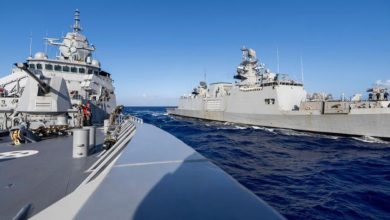
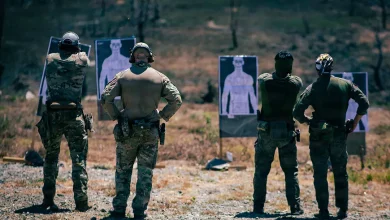
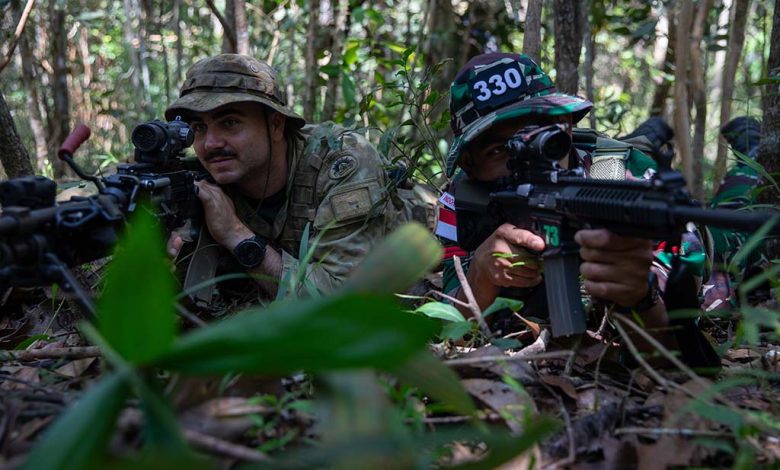
Super Garuda Shield 2026 will be Indonesia’s largest multinational military exercise, featuring more than 6,000 personnel conducting field training and tactical synchronization across the sprawling archipelago.
The annual event, scheduled for August 31 through September 11, will include increased emphasis on multidomain operations that combine ground, maritime, air and cyberspace personnel into unified forces.
Fifteen participating nations and at least 12 observer countries are expected, extending the exercise far past its 2007 origin as drills between Indonesian and United States personnel. Led by the Indonesian National Armed Forces (TNI) and the U.S. Pacific Command (US PACOM), the exercise expanded dramatically in 2022, becoming multinational.
“Super Garuda Shield 2026 is the largest edition since the exercise was first established,” Dr. Marcellus Hakeng Jayawibawa, an analyst at Indonesia’s Lemhannas Strategic Center, told FORUM.
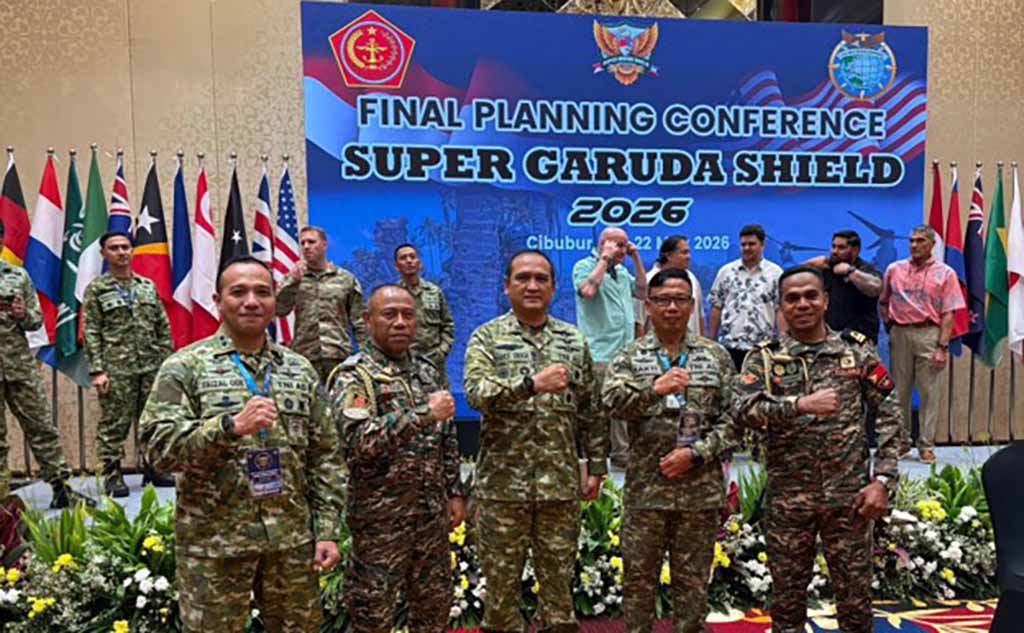
Core participants include Australia, Brazil, Cambodia, Canada, India, Italy, Japan, Laos, the Netherlands, New Zealand, the Republic of Korea, Singapore and Timor-Leste, along with Indonesia and the U.S., according to Indonesian Defense Ministry analyst Pudji Astuti.
Thailand’s participation as an exercise observer and Canada’s expanded role in providing logistical support demonstrate Indonesia’s growing international status, Jayawibawa said.
Training stretches from established sites such as the Baturaja Combat Training Center in South Sumatra and Martapura in South Kalimantan to new locations including Dhomber Air Base in East Kalimantan and Nunukan in North Kalimantan. Other key sites include Sultan Badaruddin II Air Base in Palembang and training areas on Sebuku Island and in Tarakan, North Kalimantan. Command post exercises are based at West Java’s Sesko TNI (Bandung) and Kodiklat TNI (Serpong).
“Land, maritime, air and cyberspace operations are no longer conducted independently but are integrated into a single operational framework in which each domain supports the others,” Jayawibawa said of the exercise’s multidomain concept.
— STORY CONTINUES BELOW —
Join the discussion
How do your armed forces benefit from participating in multinational exercises with Allies and Partners?
Emerging technology supports the shift. Indonesian and U.S. forces are integrating the Pacific Multi-Domain Training and Experimentation Capability to build a resilient joint command and control network and synchronize space, cyber and electronic warfare simulations.
Alongside combat readiness, scenarios will emphasize humanitarian assistance and disaster response, and civil-military coordination.
The exercise’s growing scale does not represent a departure from Indonesia’s “independent and active” foreign policy, Jayawibawa said. “Participation in Super Garuda Shield does not signify alignment with any particular power, nor does it create collective defense obligations with participating countries,” he said.
For Indonesia, the benefits extend beyond training. Super Garuda Shield supports TNI modernization and professional development, strengthens Jakarta’s defense diplomacy, and improves capabilities, Astuti said. Regionally, it builds confidence among Southeast Asian militaries and supports freedom of navigation across the Indo-Pacific.
Gusty Da Costa is a FORUM contributor based in Jakarta, Indonesia.