Despite neutrality claims, Beijing and Moscow support Iran’s war, inflicting collateral costs on Indo-Pacific
FORUM Staff
The Iran war, intensified and prolonged with support from China and Russia, is affecting innocent people worldwide, especially in South and Southeast Asia.
Though Beijing and Moscow claim neutrality and purportedly call for peace, they provide the Iranian regime with surveillance and other defense-related technology, dual-use equipment, and sanctions-breaking purchases that bolster Tehran’s wartime economy and ultimately cause widespread harm in a broader campaign to undermine the free and open international order.
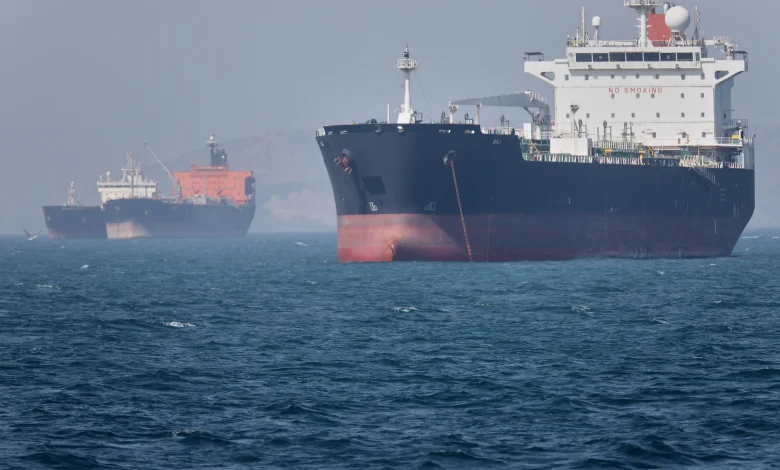
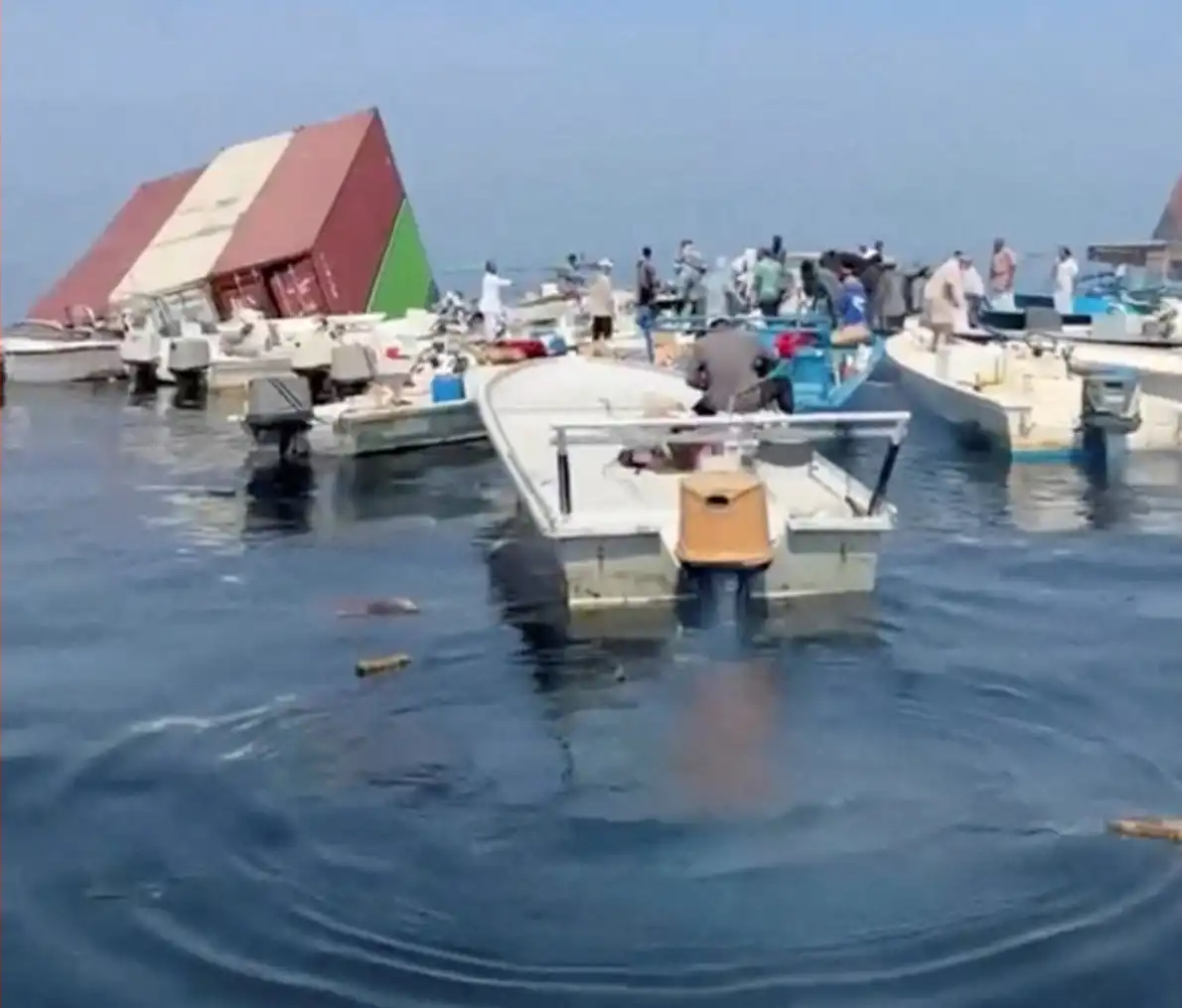
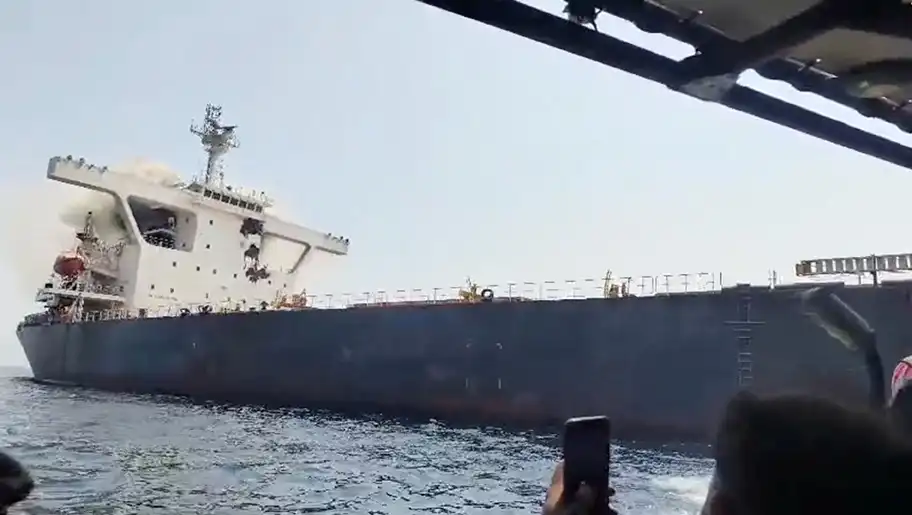
Iranian missiles and drones have killed crew members aboard commercial ships in the Strait of Hormuz, the Arabian Gulf (also known as the Persian Gulf) and the Sea of Oman. Twenty-five sailors died in 129 incidents from March through early November 2026, the United Nations’ International Maritime Organization (IMO) reported.
The victims, many from India, Indonesia, the Philippines and Thailand, went to sea to transport food, energy and manufactured goods. The explosives that tore through their ships’ decks and engine rooms may have benefited from dual-use technology, designs and raw materials provided by foreign intermediaries and shell companies, the Reuters news agency reported.
Within days of receiving Russian satellite surveys shortly after the war began in late February 2026, the Iranian regime targeted military posts, warships, aircraft, shelters and radar, analysts told The Washington Post newspaper. The regime has few military-grade satellites, which makes Russia’s space capabilities valuable, especially with the Kremlin fine-tuning its capabilities during years of war with Ukraine, said Dara Massicot, an expert on Russia’s military at the Washington, D.C.-based Carnegie Endowment for International Peace.
Tehran and Moscow also collaborate on cyber hacking critical infrastructure and telecommunications companies, Reuters reported in April 2026.
China, meanwhile, bolsters the Tehran regime through diplomatic backing and sanctions evasion — mostly clandestine purchases of Iranian oil — and by supplying equipment and technology adaptable for commercial or military purposes. Chinese firms are sending Iran air-defense missile launchers, Reuters reported, and high-resolution satellite images provided by Chinese entities helped Iranian forces attack a Jordanian air base in July 2026, killing three United States Soldiers and wounding four others.
China’s illicit purchase of oil from Iran and Russia generates revenue for their respective wars. China is Iran’s largest trading partner and buys 90% of Iran’s exported oil despite international embargoes, providing tens of billions of dollars in revenue, the U.S.-China Economic and Security Review Commission reported.
Beijing’s actions contradict the Chinese Communist Party’s avowed commitment to nations’ sovereignty and the nonproliferation of weapons and their technologies. Beijing’s collusion with Iran also runs afoul of its self-anointed Global Security Initiative, which claims to uphold “the principle of indivisible security” under which no state should enhance its security at the expense of others.
The Iranian regime’s prolonging of the Middle East conflict has saddled people globally with mounting economic and daily challenges. Collateral effects are acute in the Indo-Pacific. At least 16 of the civilians killed since the war began and 33 of the injured were Indian seafarers, according to the IMO. At least three seafarers each from Indonesia and the Philippines, which is the largest supplier of seafarers globally, have been killed.
In recent weeks, the intensity of attacks on merchant vessels has shifted from disabling strikes to destructive ones, with the Iranian regime’s Islamic Revolutionary Guard Corps allegedly attacking two merchant ships in mid-October, killing an Indian seafarer and injuring at least 16 others, the United Kingdom Maritime Trade Operations Centre reported.
Analysts have dubbed China, Iran, North Korea and Russia the “axis of autocracy,” a reference to their dictatorial regimes and collective opposition to international rules and norms.
Iran’s conflict with Israel and the U.S. has elicited more support from the loose network of regimes that “increasingly enable one another to evade pressure, sustain conflicts, and threaten the free world,” the U.S.-based Center for Strategic and International Studies (CSIS) think tank reported in October 2026.
— STORY CONTINUES BELOW —
Join the discussion
How can your nation deter malign gray zone enablement and impose accountability on authoritarian regimes?
For example, after Tehran sent Moscow original designs for uncrewed aircraft, Russia mass-produced drones with dual-use Chinese components including batteries, electronics, engines and navigation systems, the CSIS reported. Meanwhile, a Chinese supplier provided the Iran-backed Houthi rebels in Yemen with parts for medium-range ballistic missiles, The Wall Street Journal reported in October, citing a study by the London-based Conflict Armament Research.
Soon after receiving Russia’s satellite surveys, Tehran targeted U.S. and other nations’ military facilities with ballistic missiles and drones, establishing a “clear pattern,” Reuters reported. A Russian satellite relayed images of Prince Sultan Air Base in Saudi Arabia days before the Iranian regime struck the facility in late March 2026, destroying a U.S. E-3 Sentry AWACS aircraft. A Russian satellite passed over the air base the next day to assess the damage.